Building Supporting Assets

In the previous sections, we focused on core assets and interactive assets.
Supporting assets are what keep everything moving.
They are not the main engine.
They are the layer that surrounds and supports it.
What supporting assets are for
Supporting assets exist to:
drive traffic
reinforce the theme
nurture interest over time
guide people toward higher-intent content
keep the system active between major pieces
Without them, even strong core assets lose momentum.
The three main types are:
blogs
social posts
emails
How supporting assets should be created
A simple rule:
Supporting content should come from somewhere, not from nowhere.
In most effective systems, it is derived from:
the core asset
a webinar
a resource
the campaign theme
real audience questions
This keeps everything aligned and prevents content from feeling random.
A typical structure might look like:
one core asset per cycle
regular blogs tied to that theme
supporting resources and webinars
ongoing social posts
consistent email communication
Everything connects back to the same idea.
Blog builds
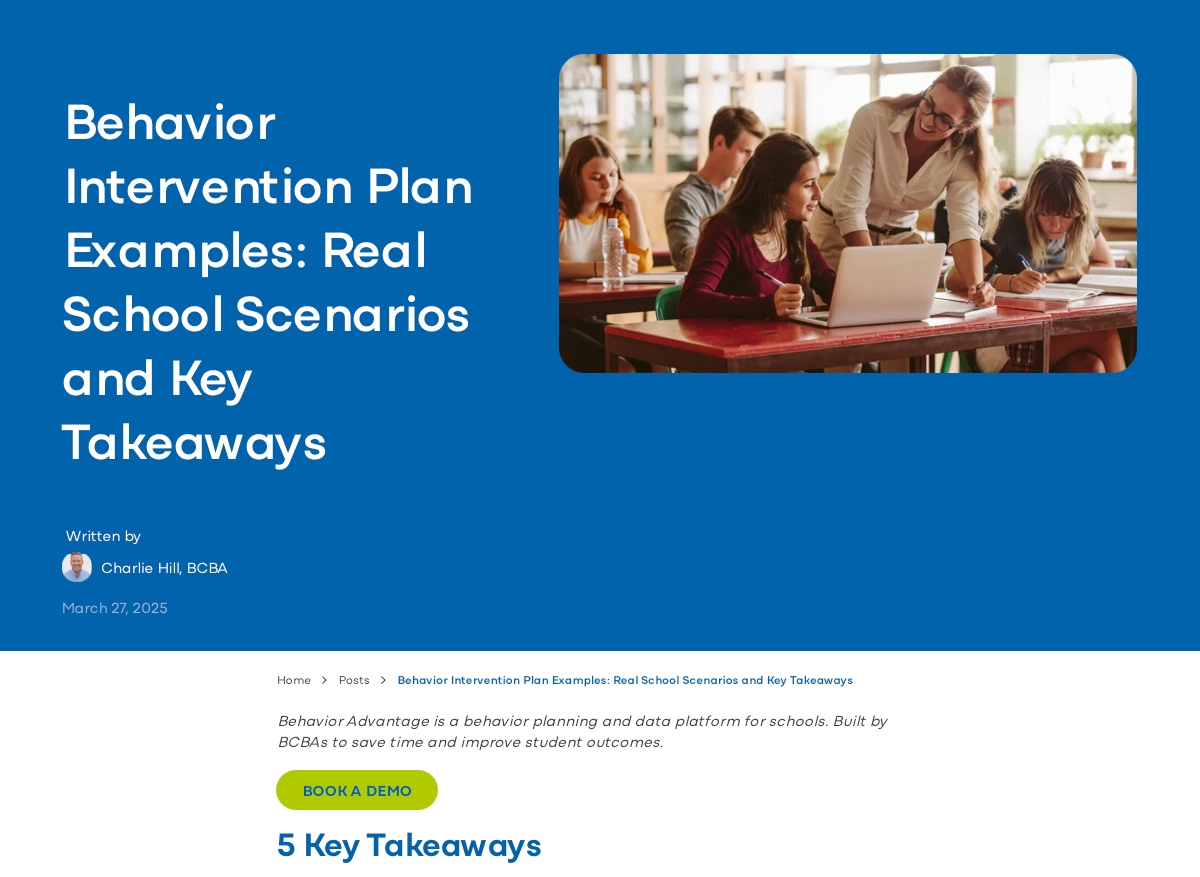
Example of a high-performing blog from one of our clients.
What a blog is for
In this system, blogs are primarily for traffic and education.
Their role is to:
capture search or discovery intent
answer one clear question
establish credibility
guide the reader to the next step
Some blogs focus on authority (shaping the topic).
Others focus on SEO (capturing demand).
How to build a blog
Keep the process simple:
choose one relevant topic or keyword
understand what the audience is trying to learn
define a clear angle
decide the next step (CTA)
write the article
add internal links and FAQs
include contextual CTAs
What good looks like
A strong blog should:
solve one clear problem
be easy to read
be better than competing pages
connect to the wider theme
include a clear next step
If a blog brings traffic but leads nowhere, it is incomplete.
Social post builds
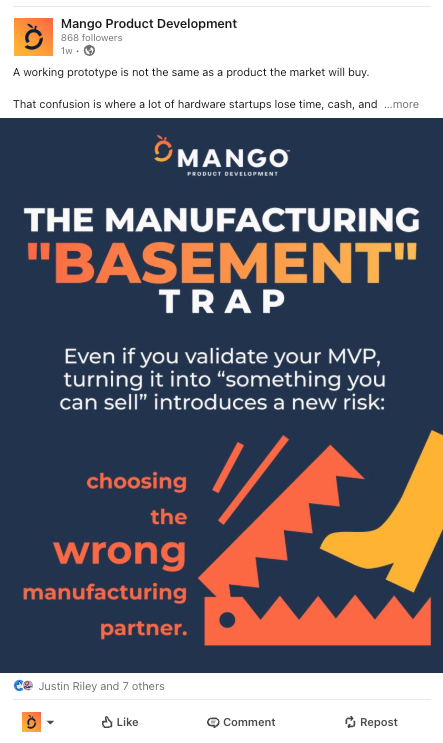
Example of a simple but effective "repurposed" social post.
What social is for
Social is a distribution and reinforcement layer.
It helps you:
repeat and sharpen your message
drive attention back to your hub
build familiarity over time
extend the life of your ideas
How to build social content
Start with an existing asset.
Then:
take one useful idea (not the whole piece)
choose the right format (post, carousel, video, etc.)
define a clear angle or hook
write concise copy
connect it to a next step where relevant
How to think about volume
One strong piece of content can produce multiple posts.
For example, a single article might become:
a framework post
a myth vs reality post
a practical tip
a short quote or insight
This is not about repetition.
It is about distributing useful ideas through different entry points.
Email builds
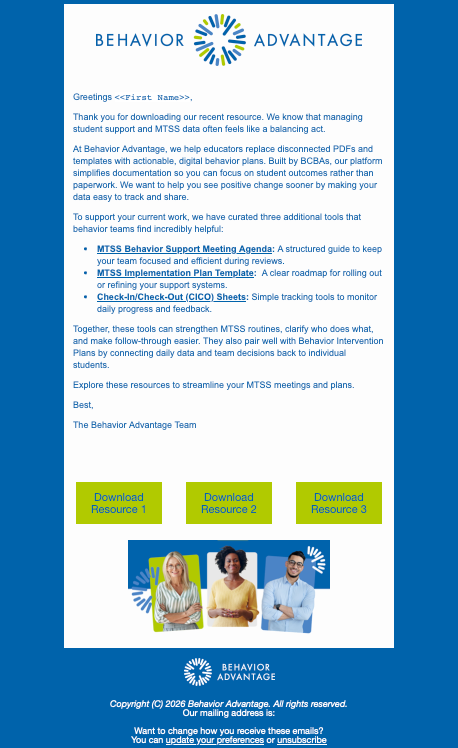
Example of a follow-up email sent 2 hours after someone downloads a piece of content - segmented based on "entry point". This is the first email in a 2-week, 5-email nurture drip.
What email is for
Email continues the relationship after someone engages.
It is used to:
announce new content
remind and follow up
educate
nurture interest
guide toward next steps
How to build an email
Keep it focused:
define the audience
define the purpose
choose one clear CTA
keep the copy short and direct
make the value obvious
What good looks like
A good email does one thing well.
It should not try to:
explain everything
replace a blog
include multiple competing actions
One email, one step.
Why quality matters more than volume
Supporting assets are easy to overproduce.
More content does not always mean better results.
What matters is alignment.
A smaller number of assets that:
support the same theme
connect to each other
guide toward meaningful actions
will outperform a large volume of disconnected content.
The simple test
Before publishing, ask:
Does this asset strengthen the system, or just add noise?
If it does not clearly support the journey, it is probably not needed.
The takeaway
Supporting assets keep your content system active and connected.
When done well, they:
bring people into the system
reinforce your message
guide users forward over time
They are not the main event.
But without them, the system does not hold together.