How We Build Webinar funnels

So far, we’ve covered core assets and how to structure knowledge.
Interactive assets are the next layer.
They move people from passive learning into active engagement.
What interactive assets are
Interactive assets ask the audience to do something.
For example:
register
attend
download
respond
engage
In most content systems, the main interactive asset is the webinar, supported by resources like templates, checklists, or guides.
They sit between reading and buying.
Why webinars matter
Webinars are often treated as one-off events.
That is usually a mistake.
A better approach is to treat them as a content product.
When done properly, a webinar supports:
lead generation
follow-up conversations
reusable content
ongoing nurture
credibility and trust
It becomes part of your system, not a standalone activity.
When webinars work best
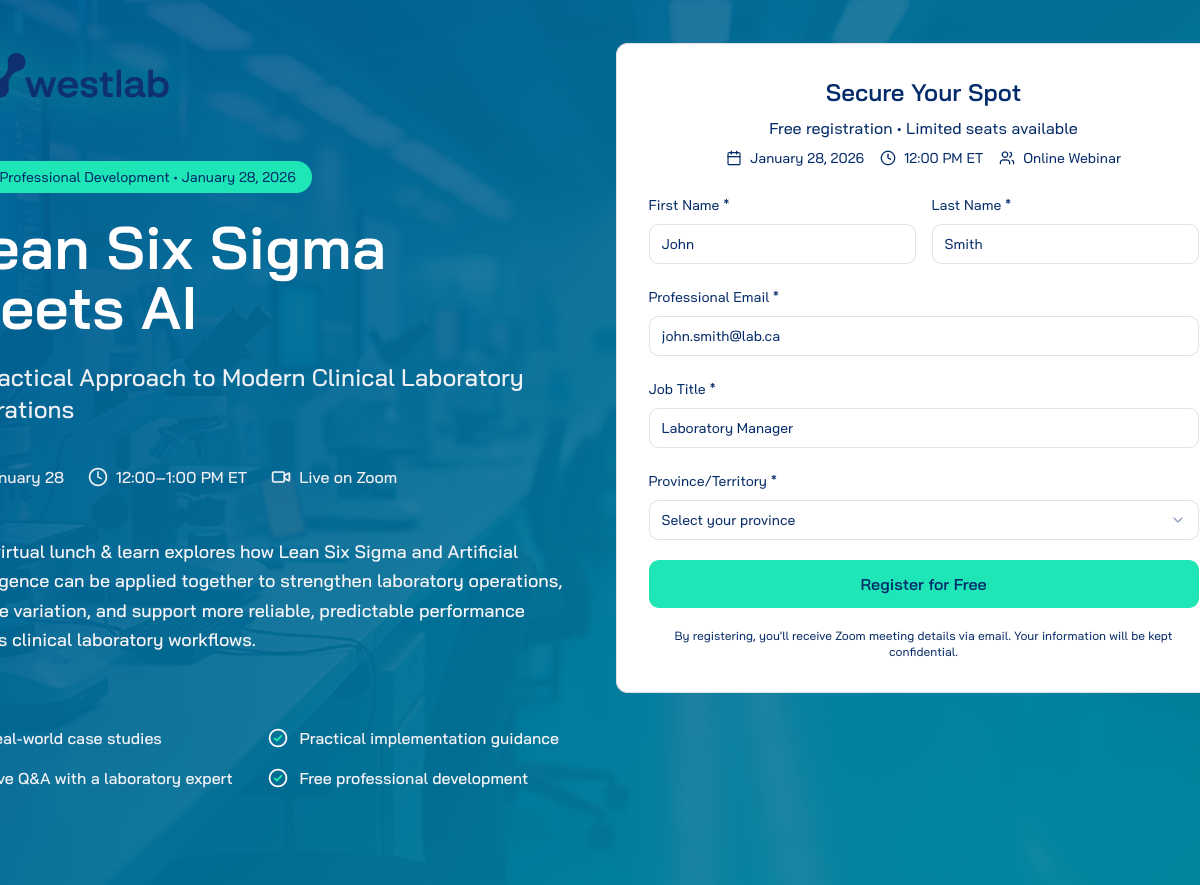
Example of a webinar we ran in early 2026 that attracted over 120 attendees.
Webinars are especially useful when:
the topic needs explanation
the audience values expertise
the buying process is slower
decisions require trust
people want to learn before engaging commercially
They work because they give the audience a chance to:
see expertise in action
spend more time with your brand
ask questions
build familiarity
This often leads to stronger engagement later.
How to build a webinar (simple process)
You do not need a complex setup.
Focus on a clear, repeatable process.
1. Choose a strong topic
Start with your campaign or theme.
A good topic should be:
specific
relevant to your audience
useful enough to justify time
practical, not abstract
If someone would not give up time to attend, the topic needs work.
2. Choose the right speaker
The best speaker is not always the most senior person.
Look for someone who is:
credible
clear in how they explain things
close to the real work
relevant to the problem being discussed
Clarity matters more than status.
3. Create a clear description
Before building anything else, write one strong description.
This becomes the foundation for:
the landing page
emails
social promotion
It should answer:
what the session is about
who it is for
why it matters
what someone will leave with
Keep it practical and direct.
4. Build a simple landing page
The landing page should focus on one job: getting someone to register.
It should:
explain the problem
outline what will be covered
show who is speaking
make sign-up easy
Avoid turning it into a long article.
5. Promote consistently
Webinars rarely work with a single announcement.
Use a simple sequence:
initial invite
follow-up explaining value
reminder closer to the date
Promote across:
email
social
your content hub
partners if relevant
6. Run the session well
The webinar itself should feel useful.
Focus on:
teaching something real
staying close to the audience problem
keeping it clear and structured
allowing time for questions
Avoid turning it into a sales pitch.
7. Follow up properly
This is where many webinars fall short.
After the session, make sure you:
send the recording
share relevant resources
guide people to the next step
continue the conversation where there is interest
Without follow-up, the value drops quickly.
How webinars fit into your system
A webinar should connect to the rest of your content.
For example:
a blog leads to a webinar
the webinar leads to a resource or case study
the follow-up leads to further engagement
This is what turns it into part of a larger journey.
The takeaway
Interactive assets, especially webinars, help bridge the gap between learning and action.
When treated as a structured part of your system, they:
deepen engagement
build trust
create stronger signals
support future conversations
Keep them simple, useful, and connected to the rest of your content.
This is the funnel model behind our webinar marketing agency engagements.