Top 15 B2B Demand Generation Agencies in 2026
If you're still deciding what kind of demand engine you need, explore how Content RevOps approaches demand as a system — not a set of campaigns.
Book a CallIf you're looking for outsourced demand generation services, this guide contains a complete overview of the landscape in 2026.
Part of The Complete Guide to B2B Demand Generation Strategy.
Based on our research of 2000+ self-labelled demand generation agencies, we shortlisted the top 1% that we believe represent the industry landscape best. If you sell into schools, districts, or universities, we cut the same research into a separate list of demand generation agencies for EdTech companies. We ran the same checks over more than 450 agencies that state they work with companies in the $10M to $1B range, and 16 of them could prove it, in our list of demand generation agencies for mid-market companies.
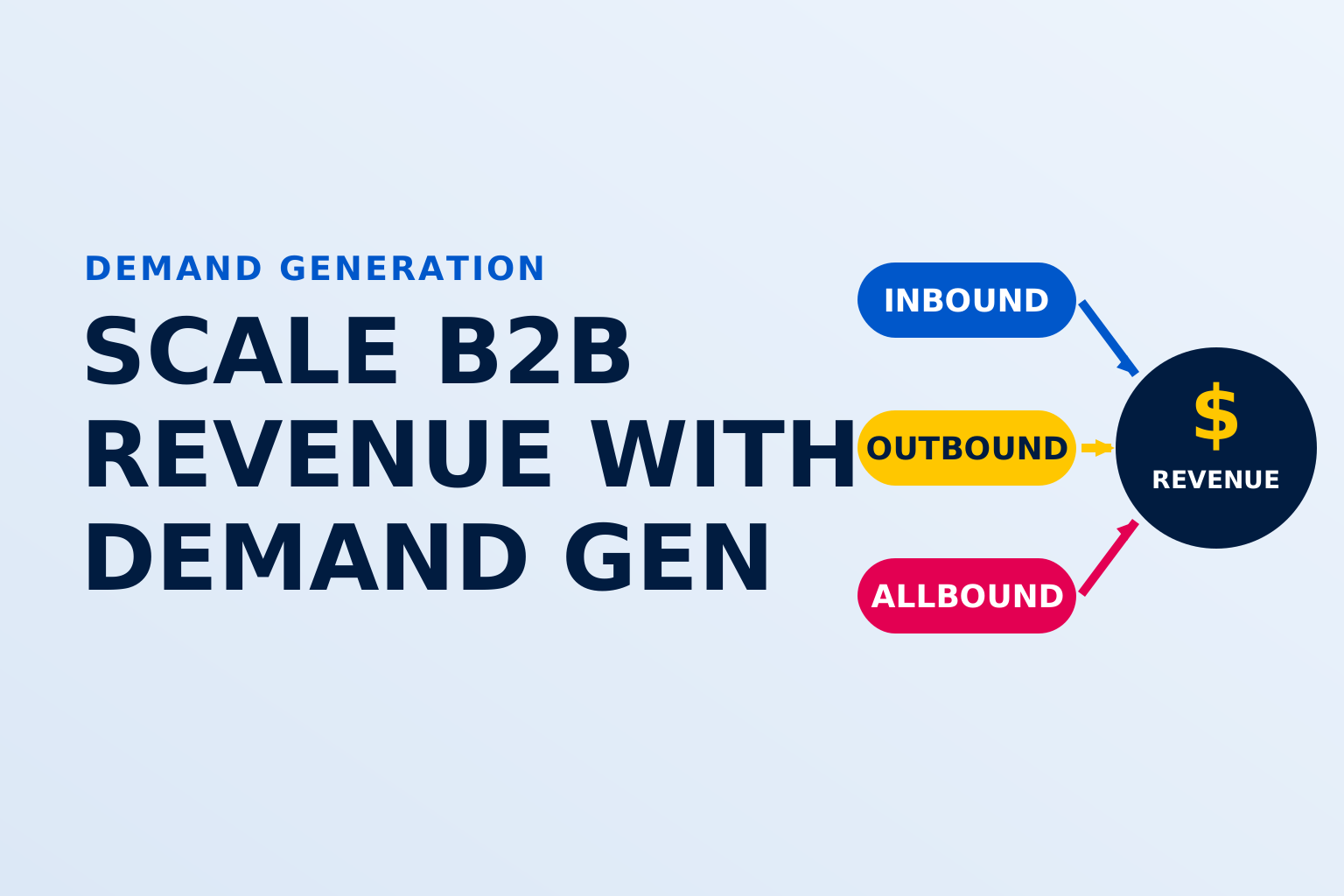
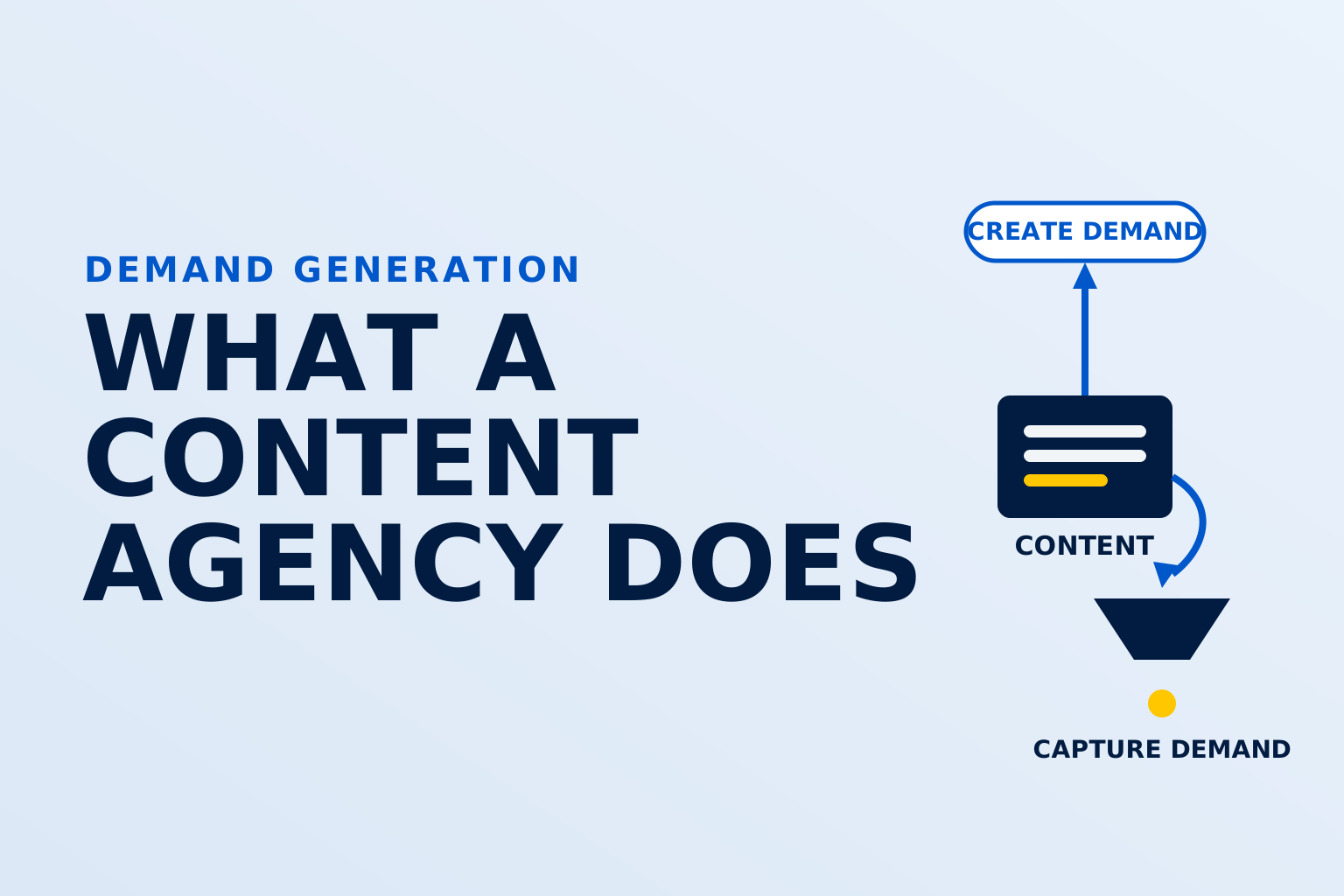
During this process, we found that demand gen is not one thing. Some agencies build demand through content, search, nurture, and sales enablement. Some capture existing demand through paid media. Some mostly sell outbound meetings under a broader label. Others sit adjacent to demand generation entirely, which is why it helps to be clear on what separates a demand generation agency from a PR agency. The hardest version of building demand is a market that has no name for the category yet, so we cut the same research into a separate list of demand generation agencies that create new-category demand.
This ranking rewards agencies that explain their process, show named proof, connect work to revenue, publish pricing or at least real budget signals, and show a sane stance on AI and team quality. For a sense of what strong named proof looks like, see these full B2B demand generation case study walkthroughs. Where the buyer is the person who owns the demand number rather than the whole marketing function, we cut the same research into a separate list of demand generation agencies for demand gen leads.
Where that buyer is the whole marketing function, and the function is one person, we cut the same research into a separate list of demand generation agencies for a marketing team of one.
It penalizes black boxes, vague full-service menus, and thin proof.
Those checks read differently when the buyer owns the systems the pipeline has to land in, so we cut the same research into a separate list of demand generation agencies for RevOps leads.
A buyer who carries a quota reads those checks differently again, so we reviewed more than 120 agencies that work with revenue leaders and kept 13 in our list of demand generation agencies for CROs and heads of sales.
Let's dive in!
1. Content RevOps
Offering
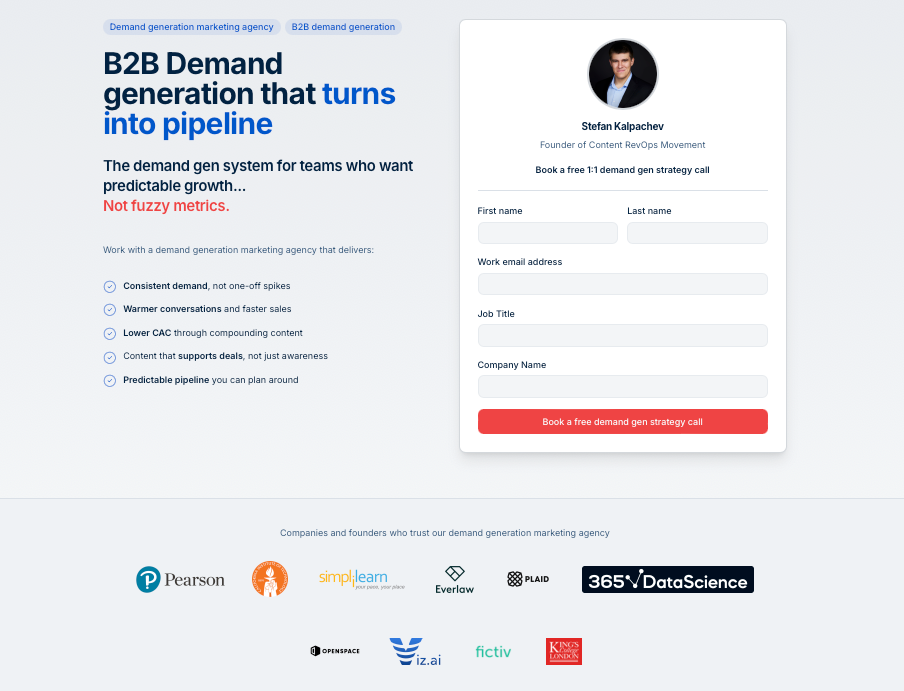
Content RevOps treats demand generation as a revenue operating system. Demand gen sits inside a broader Content RevOps model, not a disconnected service. The offer combines ICP and content-market-fit work, resource hub build, CRM cleanup and enrichment, automation, search authority, nurture, and database reactivation.
Industries served
Best fit is B2B SaaS and professional services across Education, Life Sciences, Manufacturing, Finance, Legal, and Construction.
Pricing
Free learing hub; consulting from $4,100 per month; outsourced system from $8,500 per month.
Notable case studies
Ori Learning grew inbound leads by 680% and traffic by 4,500%.
Behavior Advantage cut CPL from $500 to $600 down to $10.
King’s College London drove about £6M in attributable revenue.
GRC drove $1M+ in attributable revenue.
Full case study library available here: https://contentrevops.com/case-studies
Pros
Best process clarity in this list.
Pricing is public.
The site explains how demand generation maps to pipeline and revenue.
The AI stance is explicit and cautious.
The team model and handoff model are also spelled out.
The resource hub and learn centre make the process unusually transparent.
Cons
Content RevOps is built for long-cycle B2B, not for mass-market B2C or a pure paid-media brief.
Best fit / final verdict
Best overall for founder-led or lean B2B teams that rely on referrals, conferences, outbound, or expensive ads and need a calmer, compounding pipeline system. We reviewed more than 60 agencies for teams in exactly that position and kept 14 in our list of demand generation agencies for companies not generating enough inbound. If most new business still arrives through referrals, we also keep a separate list of demand generation agencies for referral-dependent companies.
2. Spear Marketing Group
Offering
Spear is a B2B demand generation agency with strategy, MOPS, creative, content, email, paid media, SEO, and HubSpot support under one roof.
Industries served
Broad B2B, with strong evidence in technology and software.
Pricing
Public fixed retainers are not posted.
Notable case studies
Asset Panda generated 800 to 1,000 qualified leads per month. A global tech distributor generated 58 MQLs with a 90% sales acceptance rate in under three months.
Pros
Real B2B specialization.
Strong sales and ops alignment.
Strong reviews online.
Cons
They are a broad, full-service B2B agency, not a narrow specialist boutique.
Their pricing still starts with a conversation, not a clear public package.
Best fit / final verdict
A strong choice for B2B tech firms that need demand gen plus MOPS and creative, not just campaign execution. It sits near the top because the service mix still feels genuinely built around revenue.
3. Blend B2B
Offering
Blend combines B2B demand generation with HubSpot, web, SEO, AEO, CRM, and paid media.
Industries served
Software, finance, manufacturing, telecom, and other B2B sectors.
Pricing
Demand generation strategy starts at £10,000. Demand generation retainers start at £6,000 per month.
Notable case studies
Datel reported +35% revenue, +63% profit, and 800% ROI.
Viedoc reported +100% conversion rates and +14% demo requests in 90 days.
Robin Radar reported +48% high-intent leads.
Pros
Rare pricing transparency.
Very strong HubSpot credibility.
Big review footprint on HubSpot.
Clear case-study math and an active site.
Cons
They are primarily a HubSpot and website agency rather than a pure demand generation shop.
If you want a narrower specialist, Blend can feel more platform-led than pipeline-led.
Best fit / final verdict
Excellent for B2B companies that want demand generation plus web and CRM infrastructure in one engagement.
4. Boundify
Offering
Boundify is a paid-media-led demand generation shop for B2B tech brands, with Google Ads, LinkedIn Ads, CRO, HubSpot, and web support.
Industries served
Software, hardware, telecom, manufacturing, and business services.
Pricing
Not disclosed.
Notable case studies
DigiPart reported an 800% increase in qualified leads.
Audioweb reported 4x more leads.
Pros
Very clear specialization.
Strong review footprint on both Clutch and HubSpot.
Good value signals including a semi-active content hub.
Strong fit if paid demand capture is the real priority.
Cons
This is more demand capture than deep demand creation.
Broad service offering and still primarily locked within the HubSpot ecosystem.
Best fit / final verdict
Best for B2B tech-enabled brands that need paid acquisition discipline, attribution, and pipeline growth from digital ads. It ranks above many broader agencies because the positioning is crisp and the review proof is strong.
5. The Pedowitz Group
Offering
Pedowitz combines demand generation with RevOps, lifecycle marketing, martech, HubSpot, CX, ABM, SEO, AEO, and AI services.
Industries served
Technology, financial services, manufacturing, healthcare and life sciences, business services, and higher education.
Pricing
Not disclosed.
Notable case studies
Public work examples include Vercara, Independent Financial, FinThrive, and multiple sports organizations.
Pros
Deep RevOps and martech credibility.
Enterprise-grade range.
Current HubSpot reviews.
Strong fit if lifecycle, systems, and demand gen must work together.
Cons
The service stack is broad.
It can feel more like a revenue consultancy than a focused demand gen partner.
Pricing clarity is weaker than the agencies ranked above it.
Limited demand generation activities on their own website.
Best fit / final verdict
A solid choice for mid-market and enterprise buyers that need demand generation connected to systems and operations. It ranks slightly lower because smaller buyers may find the offer heavier and less transparent.
6. InsideUp
Offering
InsideUp is an AI-powered demand generation and ABM specialist for outsourcing, IT, and services providers selling into U.S. buyers.
Industries served
Outsourcing, BPO, IT services, and adjacent service categories.
Pricing
Pricing is custom. Public rates are not posted.
Notable case studies
Their site highlights work with brands including ADP, Paychex, Vonage, Five9, Netrix, and Mitel, and frames outcomes around earlier buyer engagement and faster pipeline velocity.
Pros
Genuine niche specialization.
Clear AI angle.
Strong fit if you sell complex services into U.S. buyers and want a specialist rather than a general B2B shop.
Cons
Narrow ICP.
Less useful outside service-export categories.
Public pricing and independent review depth are not strong.
Best fit / final verdict
A strong niche pick, not a universal pick. It ranks well because the specialization is real, not cosmetic.
7. Ledger Bennett
Offering
Ledger Bennett is a global B2B marketing agency focused on omnichannel demand generation plus talent solutions.
Industries served
Enterprise B2B, with public work including GE Digital, John Crane, Canon, Trend Micro, and GE Vernova.
Pricing
Clutch lists a $25,000+ minimum project size and $150 to $199 per hour.
Notable case studies
Their site shows named enterprise work, but not a huge amount of KPI-heavy case-study detail.
Pros
Strong enterprise credibility.
Clear B2B positioning.
Good fit for larger revenue teams that want international scale.
Cons
The blend of agency services and talent augmentation dilutes the pure demand generation story.
Public proof is lighter on hard numbers than several smaller rivals.
Best fit / final verdict
Best for enterprise teams that want reach, scale, and flexible resourcing. It ranks mid-pack because it feels more enterprise-friendly than founder/SMB-friendly.
8. The MX Group
Offering
The MX Group blends brand, demand, engagement, content marketing, ABM, digital experience, data, and technology.
Industries served
Manufacturing, utilities, hospitality, automotive, technology, and SaaS.
Pricing
Clutch lists a $5,000+ minimum project size and $150 to $199 per hour.
Notable case studies
Public work includes Zekelman, Graphic Packaging, Envoy, WHOOP, and PMI. Public KPI detail is lighter than specialist shops.
Pros
Long B2B track record.
Strong brand-plus-demand integration.
Useful if you need demand generation wrapped into broader digital experience work.
Cons
Not a pure demand gen specialist.
Third-party review depth is thin.
Smaller buyers may feel the scope is broader than they need.
Best fit / final verdict
Best for established B2B firms that want demand generation plus positioning and digital experience, not a narrow pipeline shop.
9. Pursuit Marketing
Offering
Pursuit combines targeted demand generation, ABM, outsourced sales development, telemarketing, digital marketing, and lead nurturing.
Industries served
Technology, healthcare, public sector, and global enterprise programs.
Pricing
Pricing is custom.
Notable case studies
The site features Microsoft and claims work with seven of the top 10 tech companies, plus multilingual delivery across 32 territories.
Pros
Big execution engine.
Multilingual reach.
Better external review footprint than many firms in this list.
Good fit for international coverage.
Cons
Feels closer to outsourced SDR plus ABM execution than to a content-led demand generation partner.
Light on publicly accessible case studies and verified results.
Best fit / final verdict
Best for enterprise teams that need scale and global execution quickly. It ranks just outside the top tier because the model leans more toward high-output execution than operating-model clarity.
10. SERPdojo
Offering
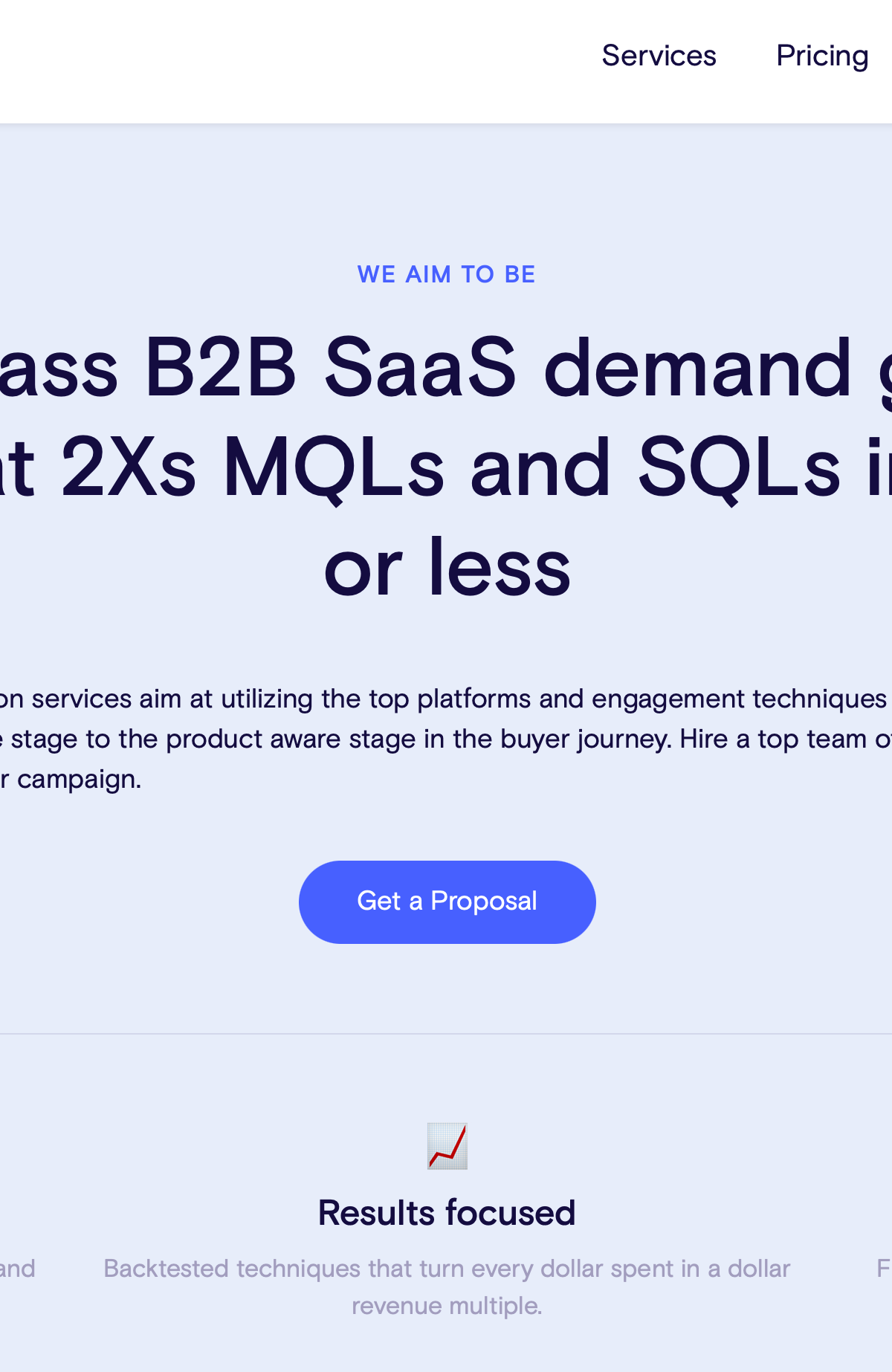
SERPdojo focuses on B2B SaaS demand generation through SEO, content, paid ads, and AI or GEO visibility.
Industries served
B2B SaaS, AI SaaS, legal SaaS, and enterprise software.
Pricing
The site publishes SEO budget guidance from roughly $30,000 to $600,000+, and Clutch lists a $5,000+ minimum project size.
Notable case studies
The site highlights 33 SQLs per month from SEO, 32x pipeline, $522k ARR, 4.4x ROAS in legal SaaS, and +500% free trials for an AI SaaS example
Pros
Tight SaaS specialization.
Strong organic demand point of view.
Clear AI-search stance.
Better pricing transparency than most SEO-led shops.
Cons
Narrower than a full demand generation operating model.
If you need CRM cleanup, nurture design, or deeper sales enablement, it is not as complete.
Best fit / final verdict
Best for B2B SaaS teams that want demand creation through search, content, and AI discovery. It ranks high because the specialization is sharp and the pricing signals are unusually clear.
11. Marketing Mojo
Offering
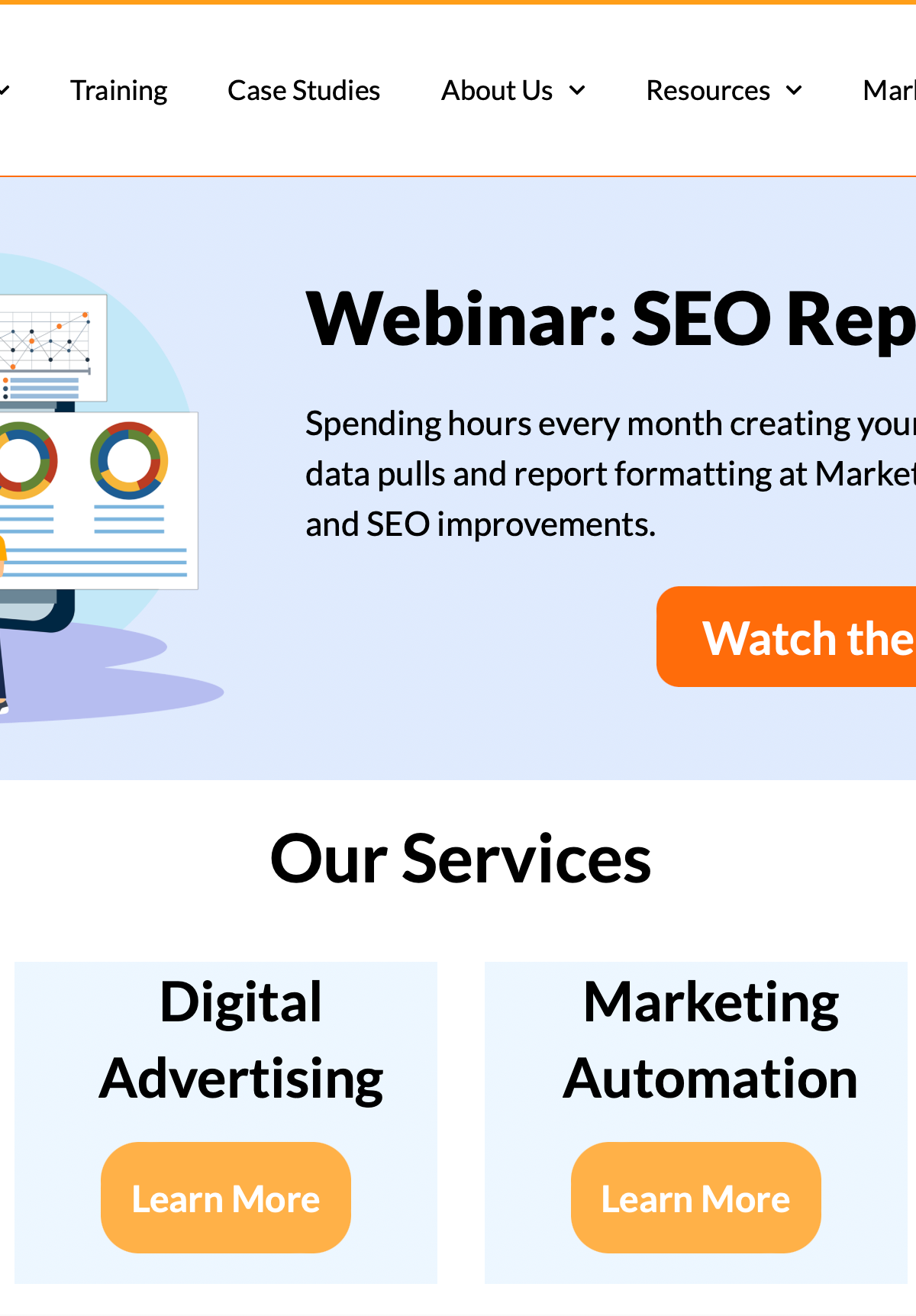
Marketing Mojo is a data-driven digital marketing and demand generation agency spanning SEO, paid media, content, marketing automation, and analytics.
Industries served
Mixed B2B and ecommerce, with public client examples including Nobel Biocare, LexisNexis, Activision, Mazda, and the American Heart Association.
Pricing
Clutch lists a $5,000+ minimum project size. Hourly rate is undisclosed.
Notable case studies
Caspari reported +62% annual revenue and 450% ROI.
Nobel Biocare beat its ecommerce revenue goal by 72%.
Implant Direct reported 3,800% ROI from ads.
Pros
Strong ROI language.
Practical analytics emphasis.
Solid case-study math.
Good fit if paid media and measurement matter as much as demand generation.
Cons
Broader performance marketing mix, not a laser-focused long-cycle B2B demand gen specialist.
No public reviews.
Best fit / final verdict
Best for teams that want measurable digital growth with demand generation as part of a wider performance program.
12. Pixelo Digital
Offering
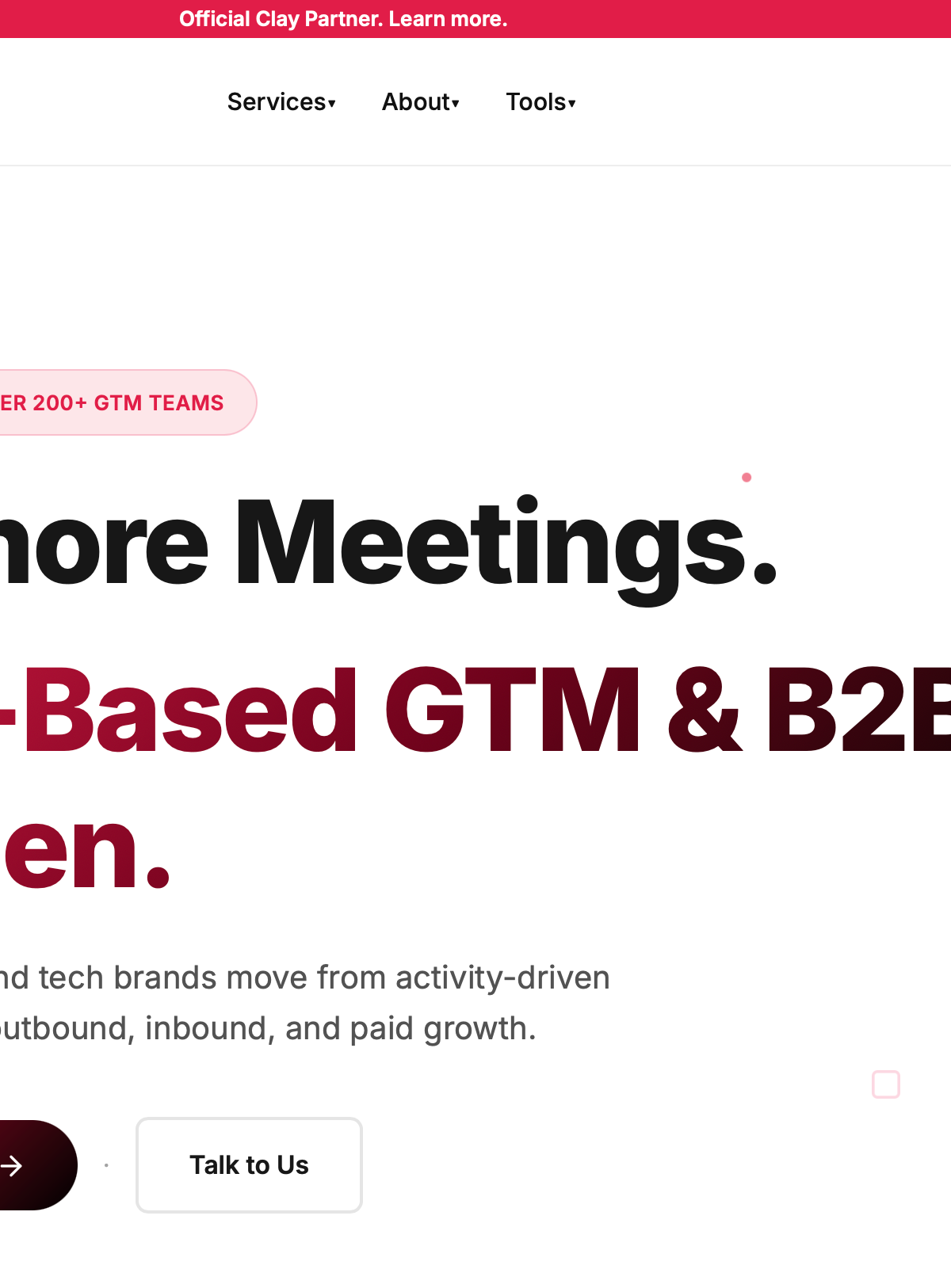
Pixelo is an AI-first GTM partner covering outbound, ABM, SEO, performance marketing, LinkedIn, and UX.
Industries served
B2B tech, SaaS, banking and fintech, education, and healthcare.
Pricing
Their site shows tiered Starter, Growth, and Scale packages, but the public pricing page does not show hard dollar rates.
Notable case studies
Their site highlights 37 meetings and $65k revenue for a virtual events platform, 49 meetings for a mobile app testing company, and 58 BANT leads plus five deals for a facial-recognition business.
Pros
Clear packaging.
Broad GTM execution.
Useful AI-first framing.
Some recent third-party proof from Clutch.
Cons
More GTM services than pure demand generation.
Exact pricing still requires a conversation.
Public review volume is still small.
Best fit / final verdict
Best for growth-stage B2B tech companies that want one partner across outbound, SEO, and performance.
13. Dreamline Digital
Offering
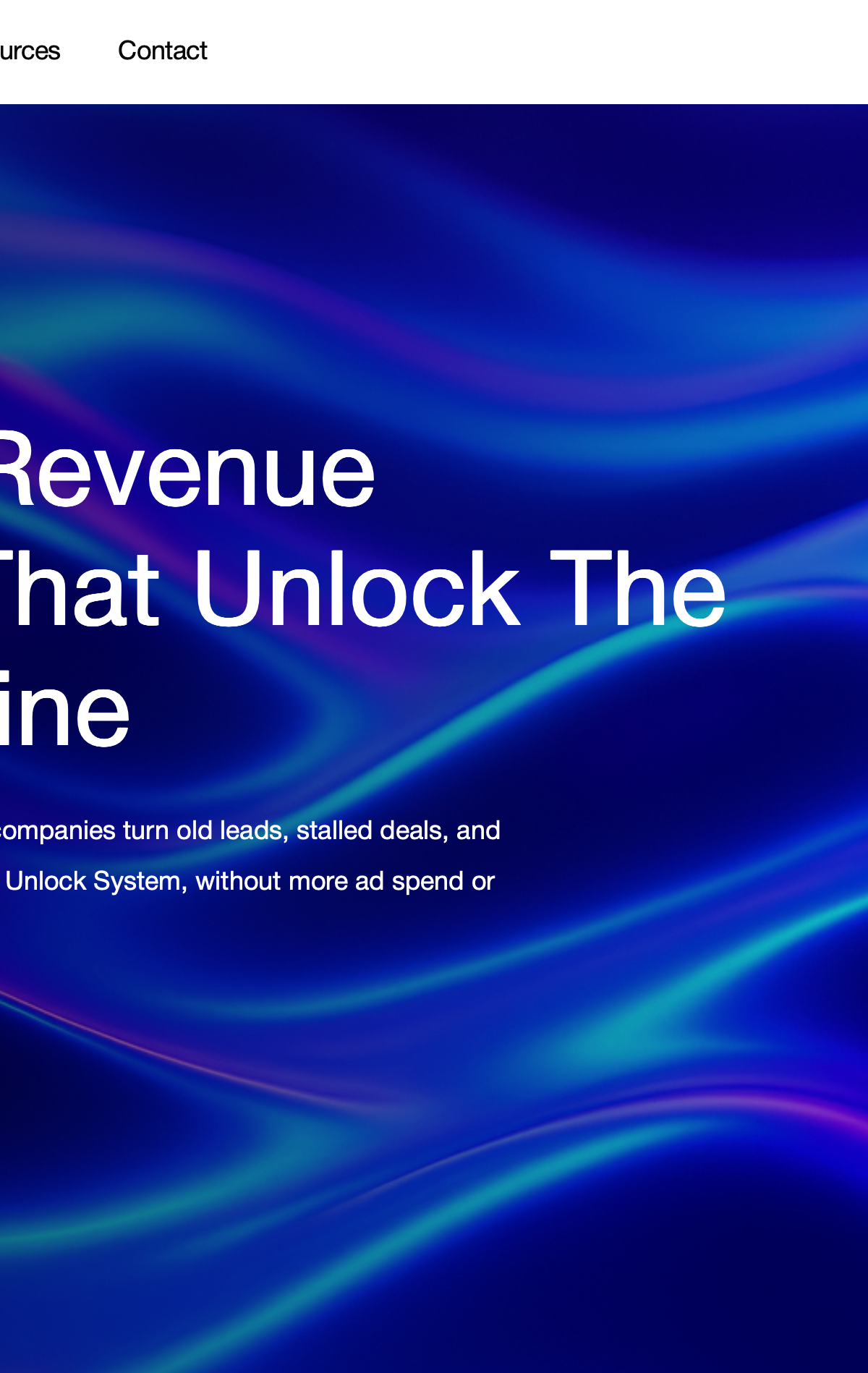
Dreamline now positions itself as an AI consulting and GTM strategy firm focused on revenue unlock systems, CRM cleanup, reactivation, nurture, and workflow design.
Industries served
Technology, software, financial services, Web3, and cybersecurity.
Pricing
Clutch lists a $5,000+ minimum project size and $50 to $99 per hour. It also surfaces sales team packages starting at $3,000 per month.
Notable case studies
Their site highlights 600+ meetings and four $500k+ deals in online banking, 142 meetings in four months for a fintech program, and 218 meetings over 18 months for an IoT client.
Pros
Strong RevOps logic.
Visible proof on meetings and pipeline.
Good value signals on Clutch.
Cons
Today it looks more like an AI or revenue-ops consultancy than a pure demand generation agency.
Less suited if you want brand, content, and search all together.
Value proposition and offer are hype-y and unclear.
Best fit / final verdict
Best for B2B teams with a messy CRM, stale pipeline, or dormant database that needs unlocking fast.
14. Inbox Pirates Consulting
Offering
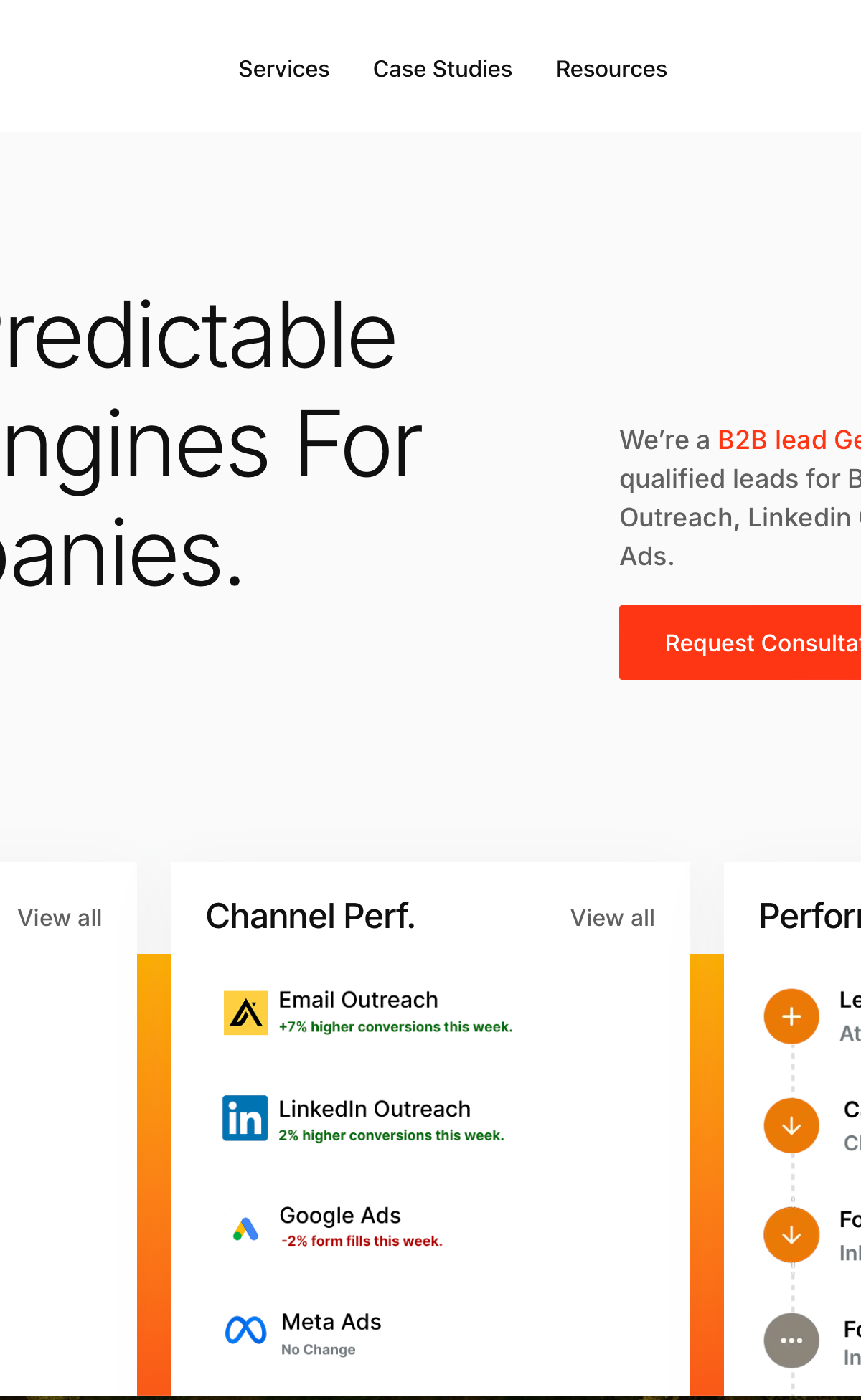
Inbox Pirates Consulting focuses on performance lead generation through email outreach, LinkedIn outreach, LinkedIn thought leadership ads, and Google Ads.
Industries served
B2B SaaS, services, ecommerce, and other B2B categories.
Pricing
The consulting arm promotes transparent, performance-style pricing built around sales-approved meetings rather than classic retainers.
Notable case studies
The site claims 300+ B2B companies served and highlights testimonials from Anzenna, Unicorn Pack, and Spotdraft.
Pros
Very clear point of view on outbound.
Explicit AI stance.
Strong anti-cheap-labor messaging.
Transparent commercial model for buyers who want pay-for-performance.
Cons
This is much closer to lead generation and outbound than to a full demand creation system.
If you want SEO, content architecture, or RevOps depth, it is not the first pick.
Best fit / final verdict
Best for teams that mainly need outbound meetings and LinkedIn-led prospecting, not a broader demand engine.
15. ABMB2B
Offering
ABMB2B offers B2B demand generation, ABM and ABX, lead generation, appointment setting, live webinars, intent data, full-funnel programs, and market research.
Industries served
Technology, SaaS, enterprise, publishers, and similar B2B segments.
Pricing
Its clearest commercial hook is pay-for-performance, zero upfront payment, and no long-term commitment.
Notable case studies
Public case-study depth is light. The site is stronger on service lines and commercial framing than on named KPI-heavy client stories.
Pros
Clear commercial offer.
Strong ABM and ABX language.
Full-funnel service menu.
Low-friction way to test them as a provider.
Cons
Public proof is thinner than higher-ranked agencies.
The writing feels generic in places, and independent review visibility is limited.
Best fit / final verdict
Best for buyers who want to trial a performance-based B2B demand partner without a large upfront bet.
Final thoughts on the top 15 B2B demand generation agencies in 2026
If there’s one clear takeaway from this list, it’s this:
Choosing the top B2B demand generation agency depends less on “who’s best” and more on what you actually need, and on whether it is the right moment to hire one at all:
If pipeline is there but inefficient → you may need optimisation or paid capture
If you need volume quickly → outbound or performance-led partners can work
If your growth feels unpredictable, expensive, or founder-dependent → you likely need a system, not campaigns. For that last case we reviewed 216 agencies and kept the ones that build pipeline without the founder in every deal, in our list of demand generation agencies for founder-led companies
Company size changes the answer too. If a dozen people sign off and procurement joins late, the field narrows fast: we reviewed 204 agencies that work with enterprise buyers and kept 14 in the best demand generation agencies for enterprises. At the other end of that range one person signs alone, and the same screen across 454 agencies that name founders and chief executives as their buyer left 16 in our list of demand generation agencies for founders and CEOs.
Most B2B teams don’t fail because they chose the “wrong agency.”
They fail because they chose a model that doesn’t match how their buyers actually buy.
Motion is part of that match. Where a rep carries the deal and the cycle runs long, we ran the same checks over more than 100 agencies that fit that motion, in our list of demand generation agencies for sales-led companies. Where the deal runs through resellers, MSPs, and integrators instead of your own reps, the agency has to reach the partner before it reaches the buyer, so we kept a separate list of demand generation agencies for channel-led and partner-led companies.
Where the product sells itself first, through a free trial or a free plan, and sales joins only after usage has spread across a team, the agency's first job is sign-ups and activation, not meetings. We kept 14 agencies that work that way in our list of demand generation agencies for product-led (PLG) companies. Where marketing carries most of the pipeline instead, and buyers read on their own for weeks before they ask to talk, the agency has to prove its inbound work turns into real sales opportunities, which is the test behind our list of demand generation agencies for marketing-led companies.
Stage narrows it the same way. At seed the retainer floor does most of the filtering before anyone reads a case study, so we ran the same checks on the agencies working at that end of the range and kept 14 in our list of demand generation agencies for seed-stage startups. A Series A changes the question from what you can afford to what you can show repeats, and we reviewed more than 110 agencies for our list of demand generation agencies for Series A companies.
Stage keeps narrowing after that. Once a round has closed and the board wants pipeline it can plan around, the filter moves from price to proof, so we ran the same checks over 112 agencies working with Series B and venture-backed teams. Ownership narrows it again: once private equity takes a stake, the growth target gets bigger and the board reviews pipeline every month, so we kept 14 agencies in our list of demand generation agencies for PE-backed companies.
And in 2026, that gap is only widening.
Buyers research longer.
Trust matters more.
Content is easier to produce, but harder to make meaningful.
AI amplifies both good systems and bad ones.
So the real question isn’t:
Which agency should we hire?
It’s:
What kind of demand engine are we trying to build?
Ready to build the right demand engine for your business?
If you're weighing different approaches, it helps to see what a system-based model actually looks like in practice.
About the Author

Founder & CEO, Content RevOps
Stefan Kalpachev is the founder and CEO of Content RevOps, where he helps B2B SaaS companies transform their content into predictable pipeline. With a background in content marketing and revenue operations, Stefan has developed a unique methodology that bridges the gap between content creation and revenue generation.
Connect on LinkedIn